
There are some exhibitions that are visually beautiful, and others that stay with you because of the stories they tell. Marie Antoinette Style at the Victoria and Albert Museum managed to do both.
Bringing together historical objects, garments, textiles and later interpretations, the exhibition explored not only what Marie Antoinette wore, but how clothing shaped her identity, her reputation and, ultimately, her legacy.
For anyone interested in textiles, sewing and craftsmanship, it was far more than a royal fashion display. It was also a reminder of the extraordinary skill behind the objects on show, and of the many faceless makers whose names have been lost in time.
“You are going to a country where all eyes will be upon you; you must therefore always be on your guard."
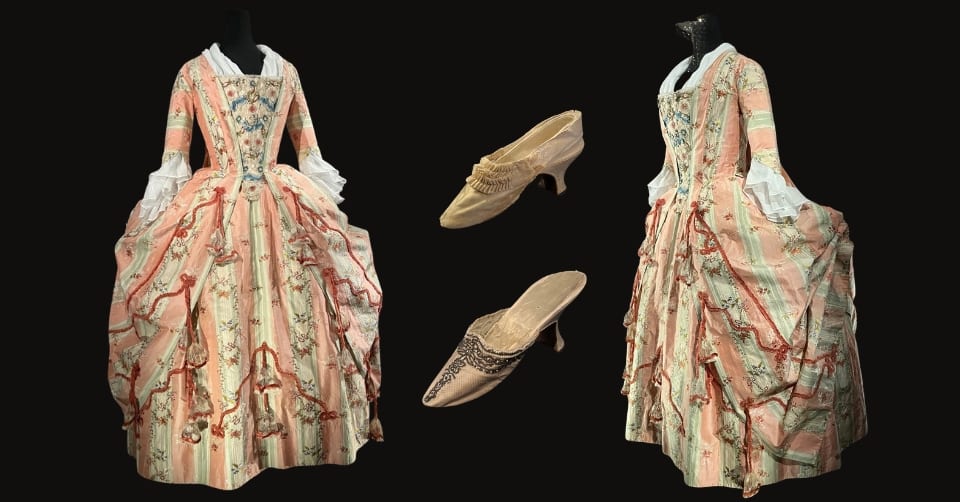
A Queen Defined by Image
Marie Antoinette arrived at the French court as the Austrian archduchess Maria Antonia and became Queen of France in 1774. From the beginning, her appearance was closely scrutinised.
At Versailles, dress was not simply personal expression: it was political, ceremonial and highly structured. Court fashion demanded rigid silhouettes, luxurious fabrics and strict adherence to etiquette, and the exhibition made that world feel vivid again.
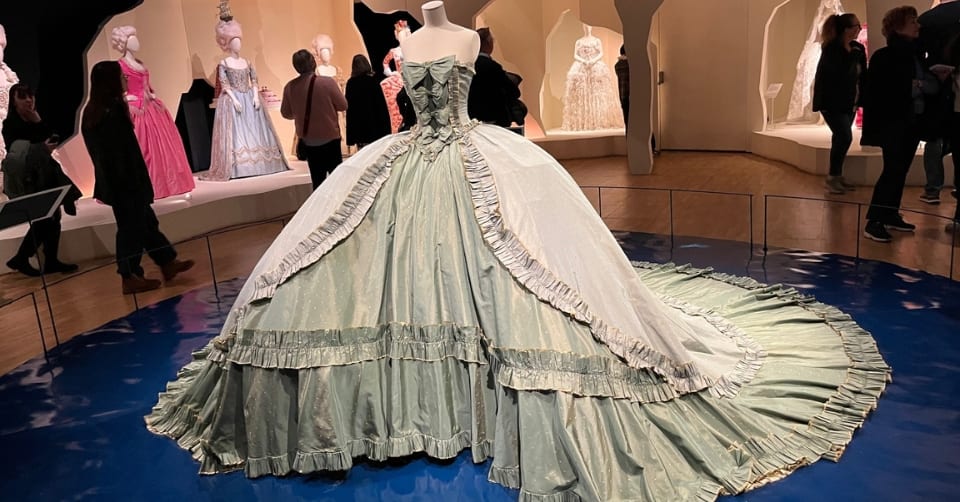
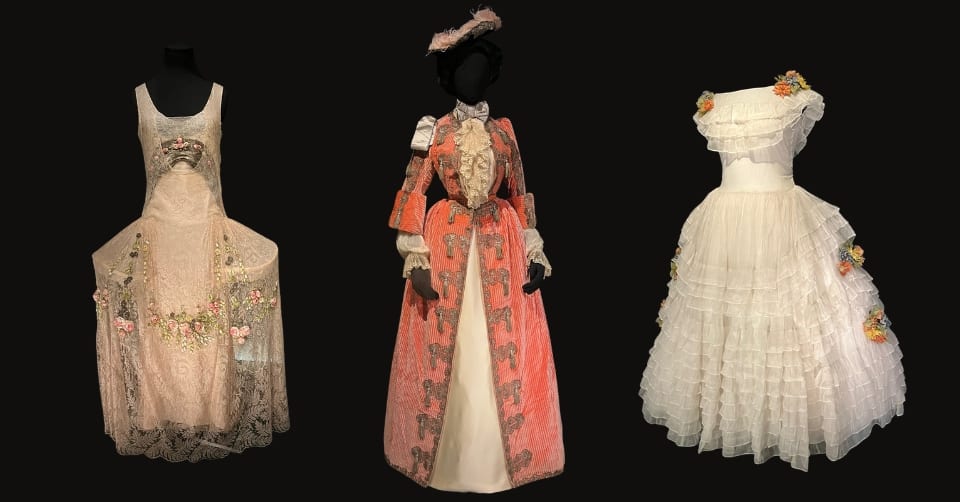
Rich silks, intricate embroidery and elaborate embellishment demonstrated the level of craftsmanship expected at court. These garments were symbols of wealth and status, but they also reveal the pressure placed on a young queen whose image was never fully her own.
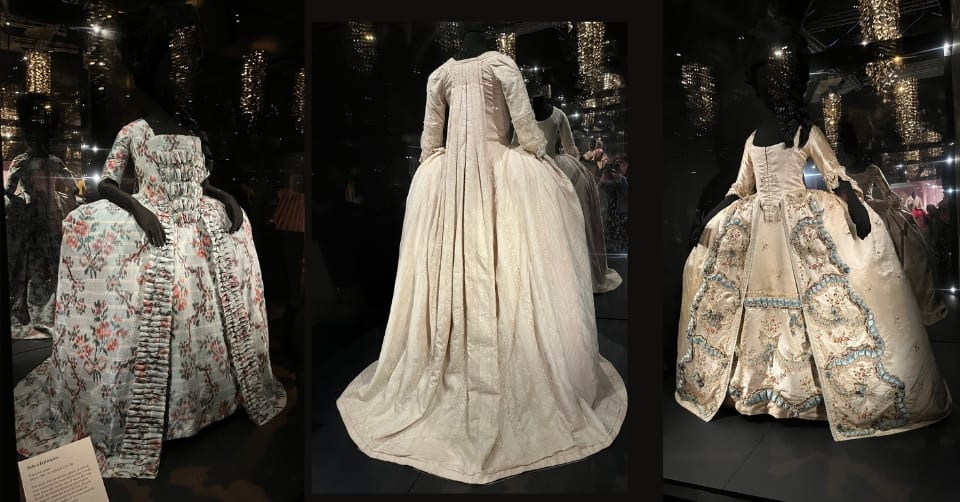
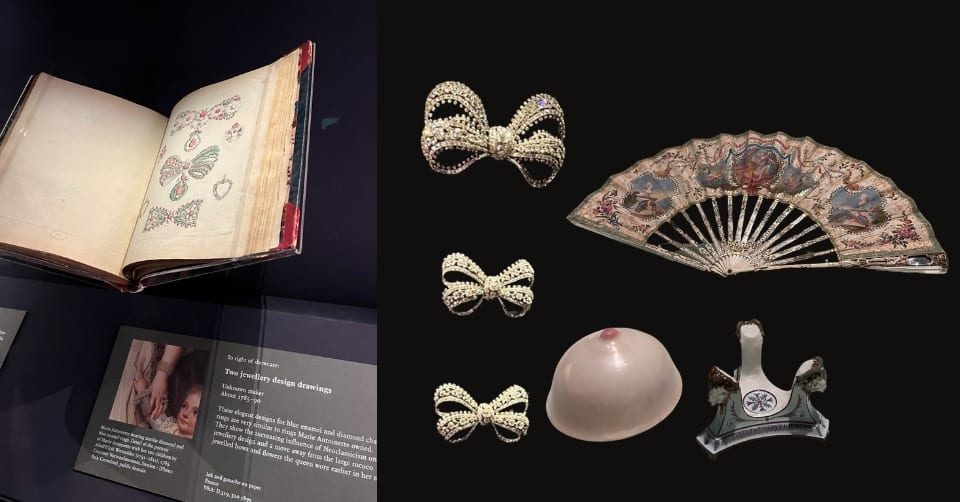
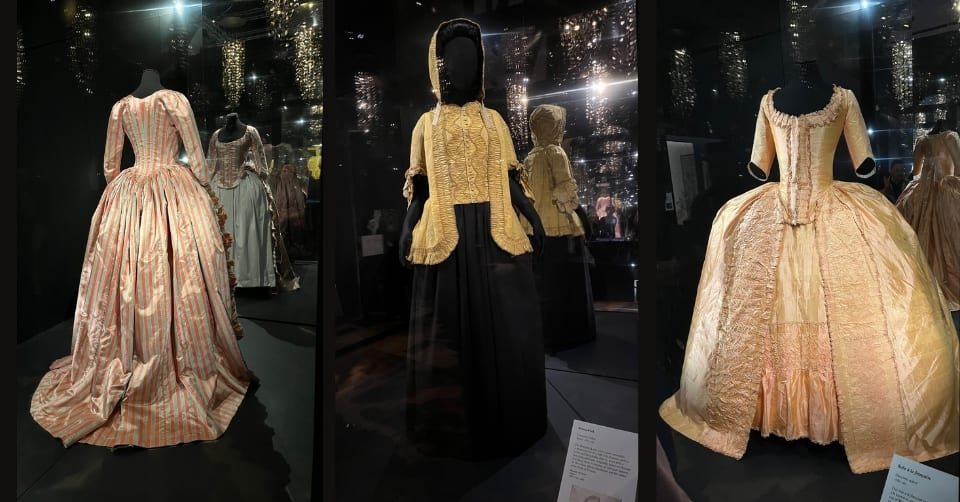
The Craft Behind the Court
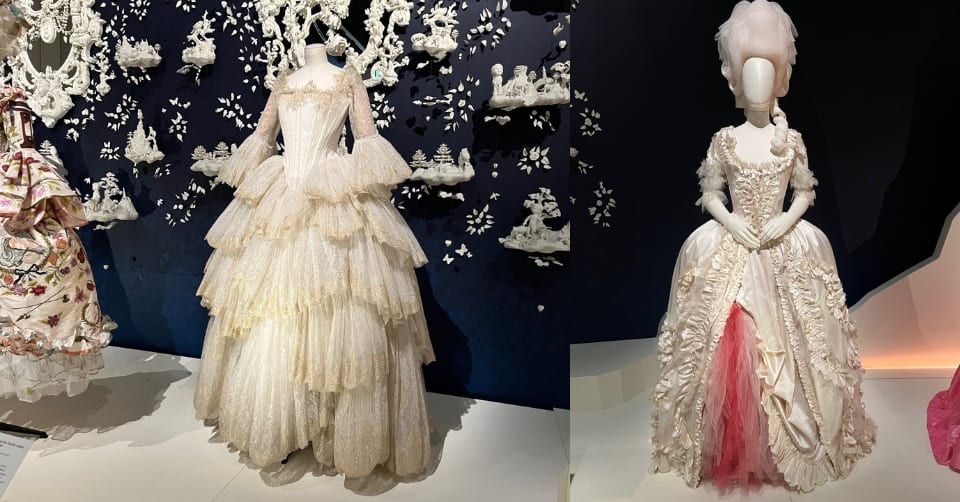
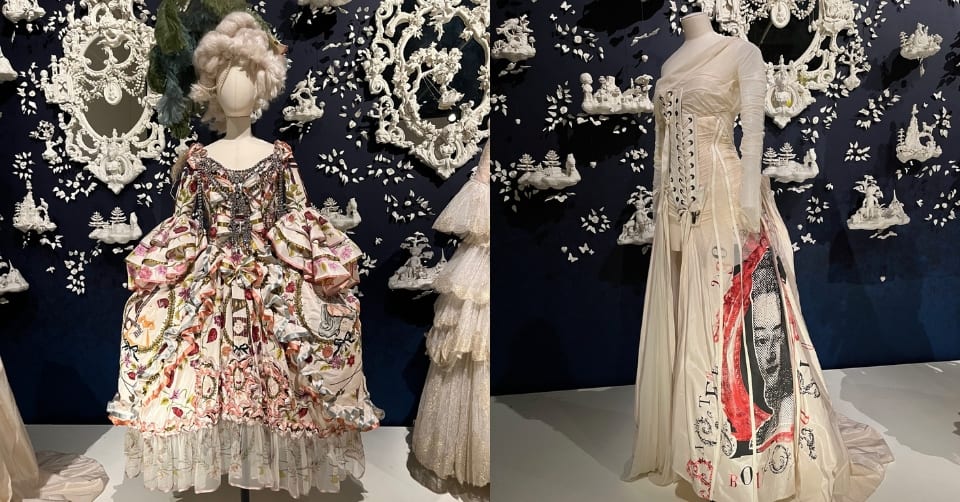
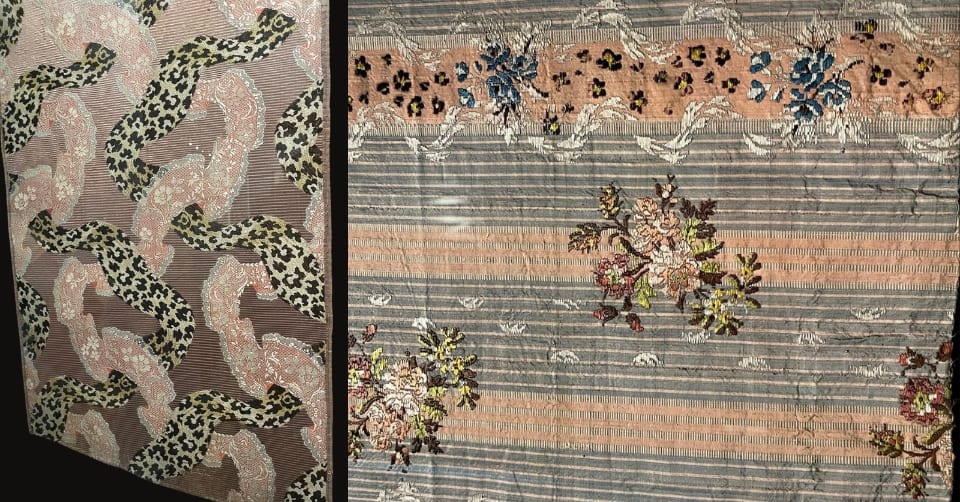
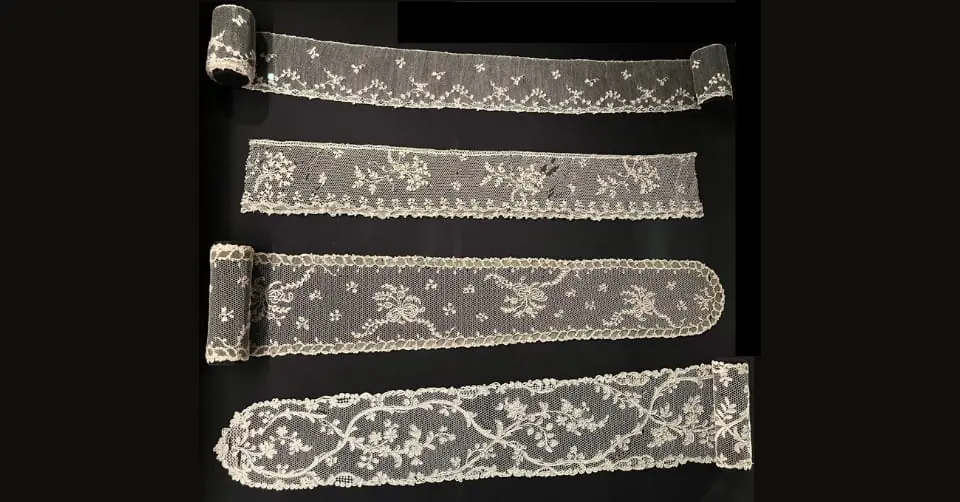
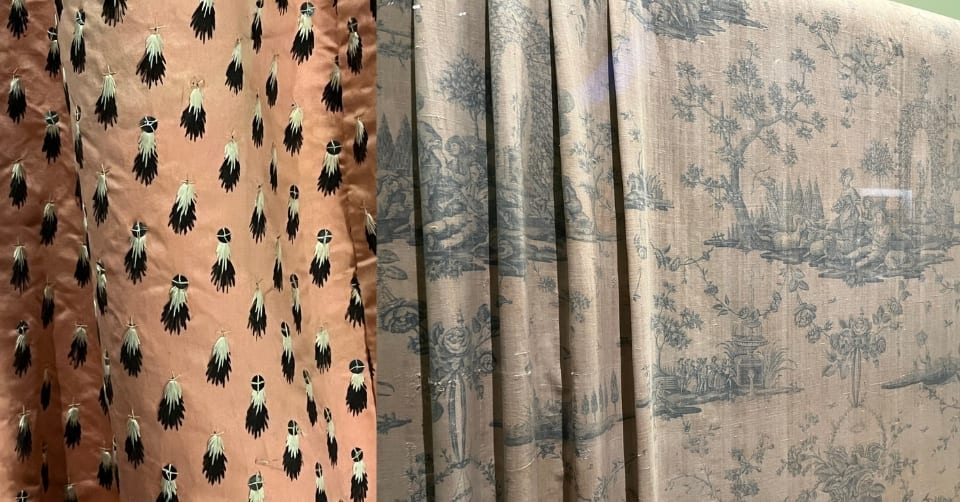
One of the exhibition’s most striking features was the extraordinary level of textile skill on display. The pieces included brocaded silks, fine lace, decorative trimmings, structured garments and hand-finished embellishment.
These are not simply decorative objects. They represent hours, and often far longer, of skilled labour by weavers, dressmakers, embroiderers and other artisans. Several objects are attributed to unknown makers, which feels especially poignant when you stand in front of such meticulously made work.
That anonymity is part of the story too. The garments were made to be seen, admired and remembered, yet the hands that made them were often never recorded. For a craft-focused reader, that absence is as meaningful as the objects themselves.
A poignant reminder that while these garments were made to be seen, admired and remembered, the hands that created them often were not. And perhaps, when we look at pieces like this today, it is just as important to remember these unseen makers.
Fashion as Influence
Marie Antoinette is often remembered for extravagance, but the exhibition offers a more nuanced view. It shows how she used clothing to shape her image and helped influence fashion beyond the court.
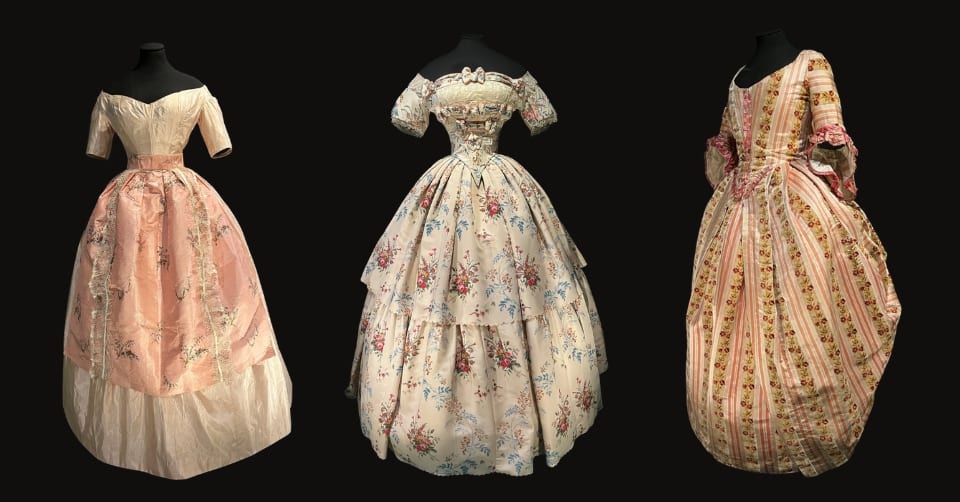
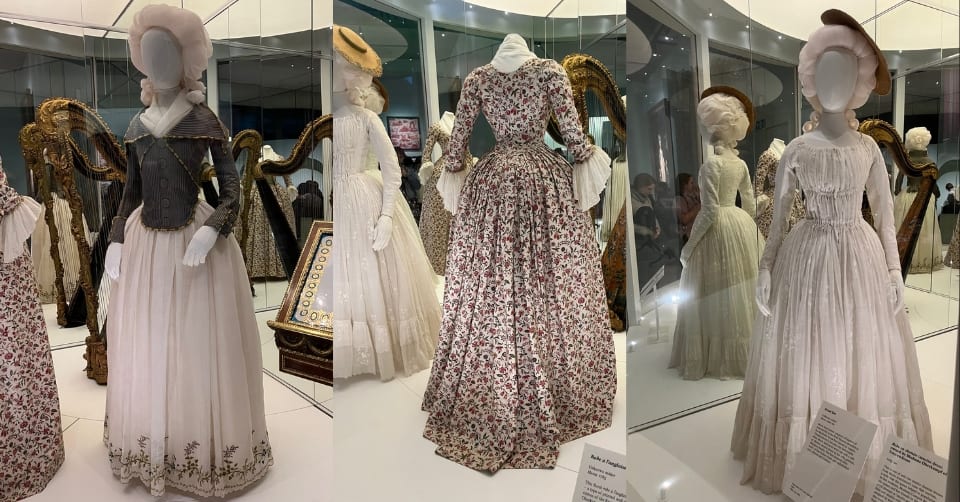
Over time, her style evolved. Alongside formal court dress, she favoured softer, less rigid garments, including styles associated with comfort and informality such as the robe à la polonaise and robe à l’anglaise. These looks were controversial in some court circles, but they helped shift fashion towards lighter palettes and more relaxed silhouettes.
In that sense, she was not simply following fashion. She was helping to define it.
Reputation and Myth
The exhibition also addresses the role of image, print culture and misinformation in shaping how Marie Antoinette was perceived. Pamphlets, caricatures and scandalous publications circulated widely in the years before the French Revolution, often portraying her as excessive, immoral or detached from ordinary life.
Many of these depictions were exaggerated or false, but they were powerful. The show makes clear that her image became a political tool, and that clothing was part of that wider narrative.
That context matters, because it changes the way you look at the dresses and accessories on display. Clothing was not just worn; it was interpreted, weaponised and remembered.
Objects That Bring History Closer
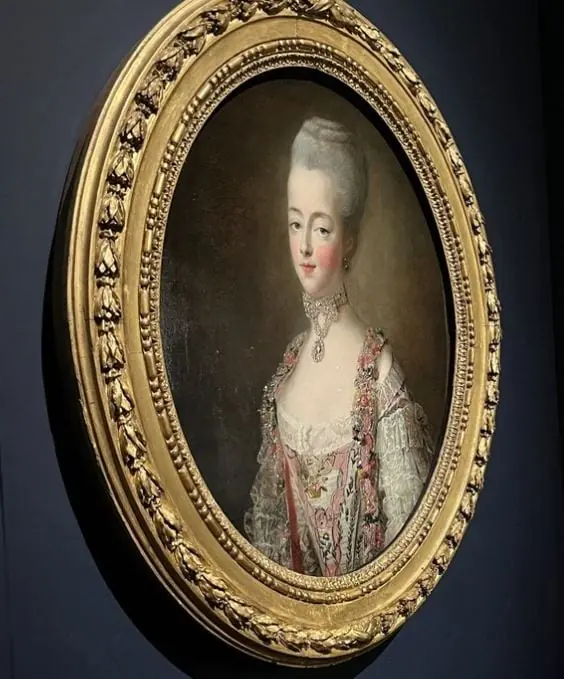
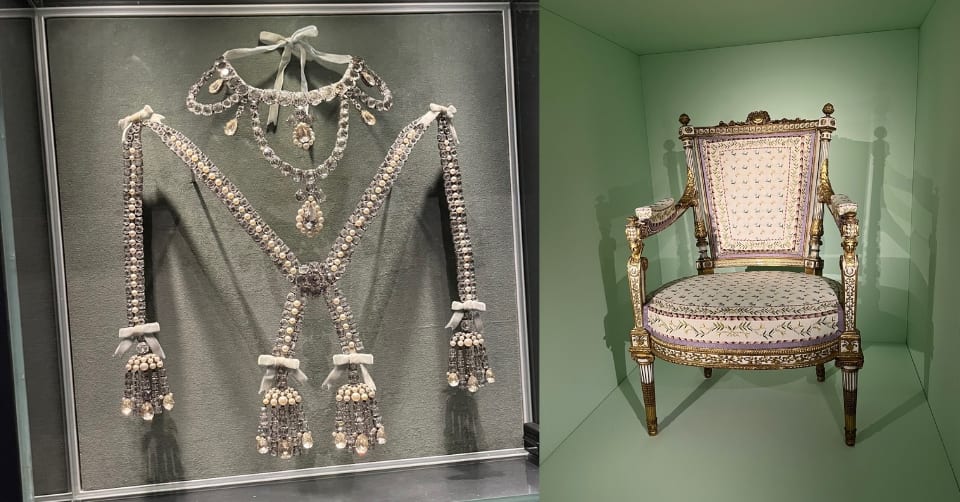
Among the most compelling elements were the personal objects associated with Marie Antoinette and her world. The exhibition included letters, toiletry items, shoes, jewellery, portraits and fragments of wardrobe, alongside other objects that helped humanise her story.
Seeing these pieces in person created a tangible connection to history. They moved the exhibition beyond portraiture and myth, grounding it in real, physical materials and intimate traces of a life.
From Spectacle to Reflection
As the exhibition progressed, the tone shifted. The later sections reflected the final years of Marie Antoinette’s life and the upheaval of the French Revolution, moving from Versailles splendour towards something more restrained and human.
That transition is one of the show’s strongest points. It reminds us that behind the image, the gowns and the public persona was a person living through extraordinary political and personal upheaval.
Enduring Influence
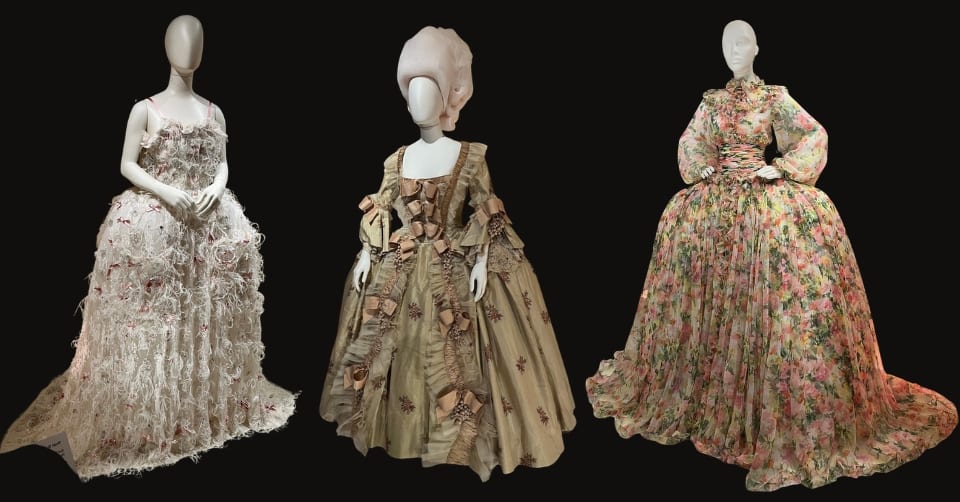
The final sections explored Marie Antoinette’s lasting cultural impact. Her image has continued to inspire designers, filmmakers and artists for more than two centuries, and the exhibition traced that influence through historical pieces, modern fashion and contemporary reinterpretations.
This ongoing reinvention shows that her legacy did not end with her lifetime. It has been repeatedly adapted, reimagined and repackaged for new audiences.
A Story Told Through Fabric
What makes Marie Antoinette Style especially meaningful for makers is its focus on materials and making. Every garment tells multiple stories: the wearer, the maker, and the period in which it was created.
Even when the earlier makers are unnamed, their work remains. That quiet endurance is one of the exhibition’s most powerful ideas.
Why It Matters for Makers Today
There is something quietly moving about standing in front of a garment made more than 250 years ago and recognising the same techniques, the same attention to detail and the same creative decisions that makers still use today.
It reinforces an important idea: craft connects us across time. Whether you are sewing a garment, embroidering a detail or repurposing fabric into something new, you are part of a long tradition of making.
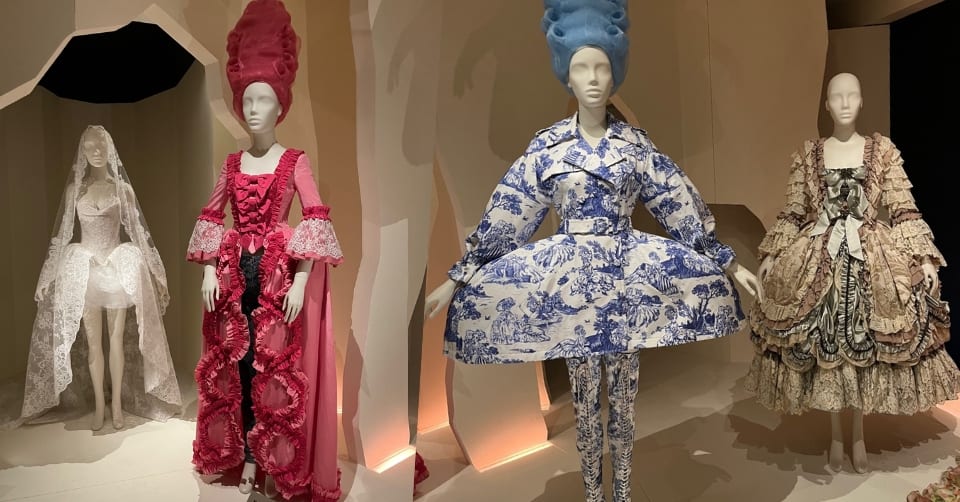
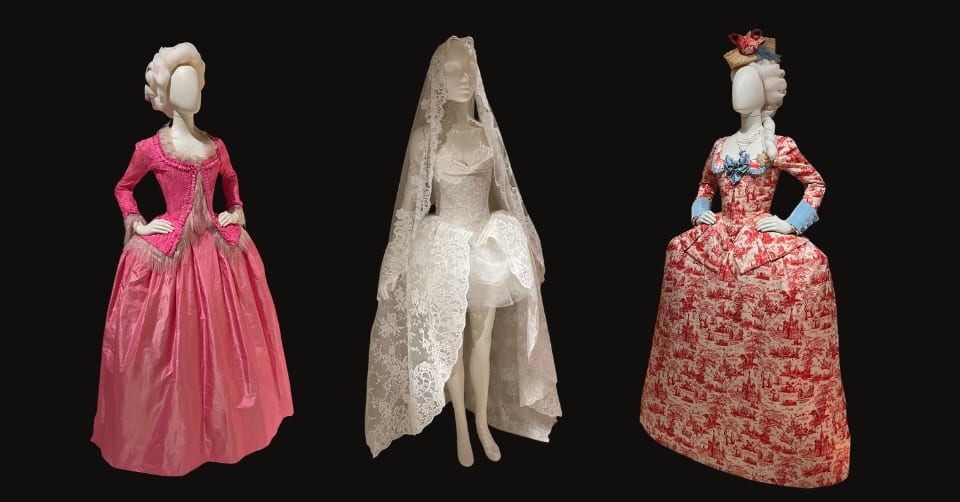
Marie Antoinette Style was not simply an exhibition about a queen or her wardrobe. It was about image, perception, craftsmanship and legacy.
It invited visitors to look beyond the surface and consider not just what was seen, but how it was made, who made it and how it has been remembered.
And perhaps most importantly, it reminds us that textiles are never just textiles. They are history, preserved in thread.